
What’s the Best Age to Start Judo? A Complete Guide for Parents & Guardians
Choosing the right age for your child to start a sport can be both exciting and overwhelming. Among the many activities available today, judo stands out as a powerful tool for physical, mental, and social development especially when your child begins at the right time. But the big question many parents ask is:
“What’s the best age to start judo?”
In this detailed guide, we’ll explore everything you need to know, from recommended starting ages and developmental benefits to how judo builds lifelong skills. We’ll also highlight how https://nintaijudo.co.za/ supports children every step of the way as they begin their judo journey.
“What Age Should Kids Start Judo?”
The most common age range for children to begin judo is around 5 to 6 years old. This is a widely recommended stage because at this age, children typically have better motor coordination, listening ability, and emotional readiness to participate in a structured activity like judo.
International judo organisations also suggest that while very young children can be introduced to movement and balance work even earlier, age 6 or 7 is often ideal for starting formal judo practice. This gives children enough physical and cognitive development to begin learning techniques, discipline, and judo values effectively.
At Nintai Martial Arts Judo Club, children from around 5–6 years old can join classes that are specifically designed to be fun, safe, and appropriate for their stage of development.
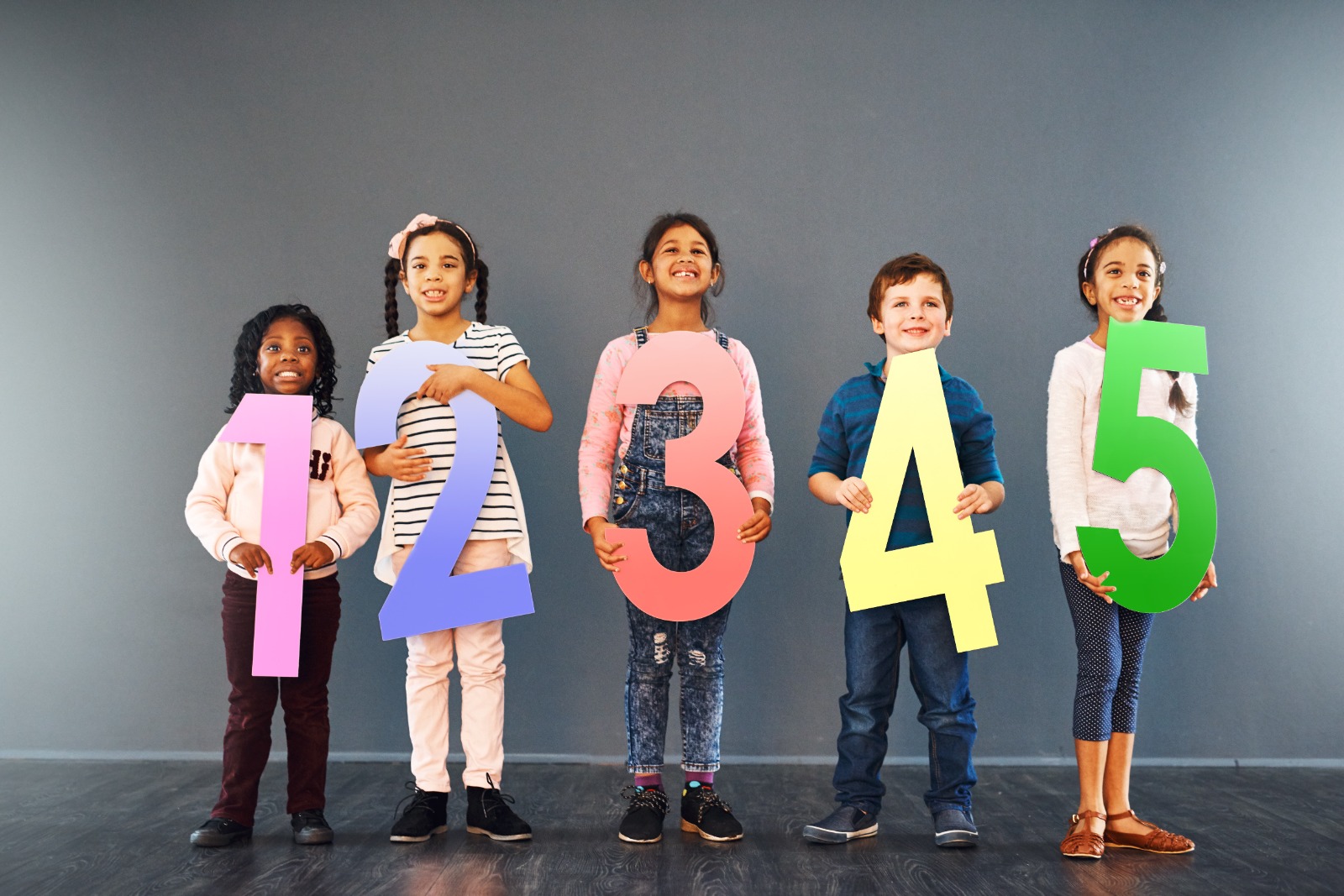
Why Is Age 5–6 a Good Starting Point?
Starting judo from about age 5 or 6 makes sense for several important reasons:
1. Motor Skills Development
Children in the junior primary age range are rapidly developing core physical skills such as balance, strength, coordination, and spatial awareness. Judo enhances these areas dramatically because it emphasises movement patterns like rolling, stepping, and controlled body positioning, all in a safe environment.
A review of judo’s impact on children shows that training supports the development of motor competence, including strength, flexibility, endurance, and coordination, often more effectively than standard physical education alone.
2. Cognitive & Emotional Growth
Judo isn’t just physical, it’s a mental and emotional sport. At ages 5–6, children are beginning to understand rules, focus for longer periods, and interact in structured group environments. These skills are exactly what judo class provides:
Following instructions Listening to a coach (sensei) Understanding safety rules
Managing basic turns and exercises
This early exposure helps children build focus, discipline, and confidence, skills that extend into school and everyday life.
3. Social Skills & Team Interaction
Even though judo is an individual sport, classes are group-based. Young judokas work closely with partners, learning to communicate, share space, take turns, and support each other. This cultivates social skills, friendliness, and teamwork.
4. Emotional Regulation & Resilience
Judo teaches children how to cope with success and failure in a controlled setting for example, learning how to fall safely (ukemi) and then get back up. This builds emotional resilience, determination, and a growth mindset, the understanding that setbacks are part of learning.
5. Fun, Engaging Physical Activity
At age 5 or 6, children are naturally energetic and eager to explore movement. Judo’s playful approach makes learning fun, which keeps kids engaged and excited week after week. This also helps reduce sedentary habits and promotes a love for physical activity from an early age
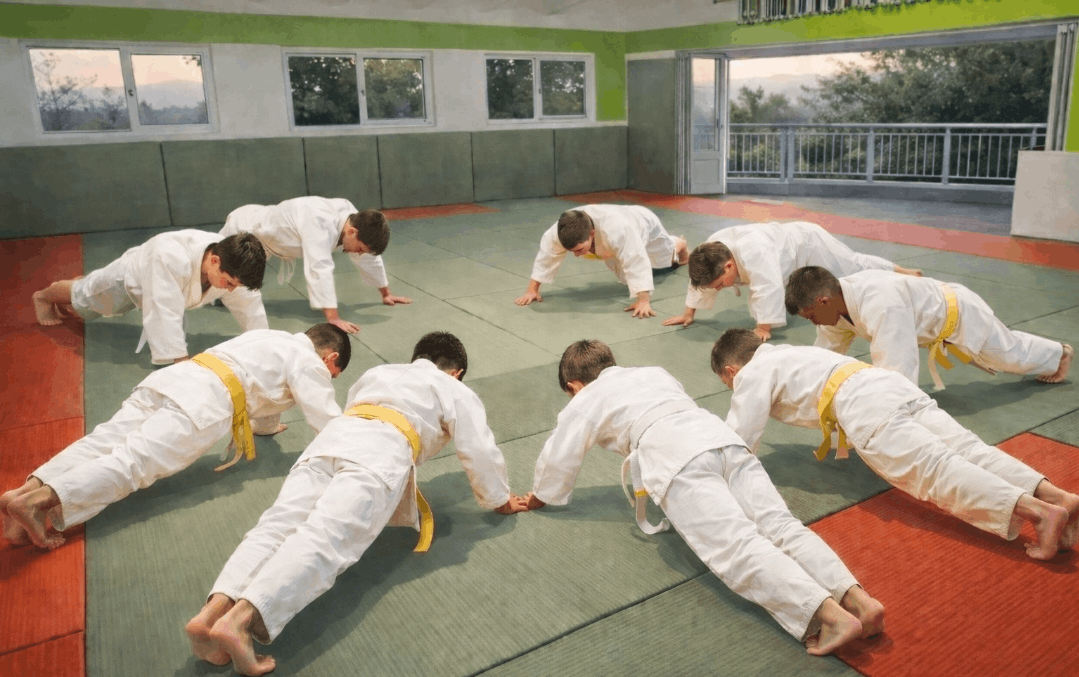
What Happens in a Kids’ Judo Class?
If you’ve wondered “what do kids do in judo?”, here’s a breakdown of what a typical class might look like:
Warm-Up & Stretching
Light exercises to prepare their muscles.
Balance & Movement Games
Activities that improve coordination and balance.
Basic Judo Techniques
Learning simple movements like breakfalls, positioning, and safe partner interaction.
Fun Drills & Cooperative Play
Games that reinforce skills like balance, agility, and listening.
Cool-Down & Reflection
Gentle stretching and time to reflect on what was learned.
At Nintai Judo, classes are structured so that each child progresses at their own pace building confidence and skill along the way.

What Are the Long-Term Benefits of Starting Early?
Starting judo early can offer lifelong advantages well beyond learning martial art techniques.
Physical Health
Improved strength, balance and flexibility Better cardiovascular health Coordination and movement confidence Reduced risk of childhood obesity
Judo gives children a foundation of fitness that supports overall health as they grow.
Emotional & Psychological Growth
Respect for others and self Self-control and patience Resilience and confidence
Better handling of challenges and stress
These lessons stay with children across school, friendships, and personal goals.
Social & Life Skills
Teamwork and cooperation Communication
Empathy and respect
Judo also introduces children to a culture that values mutual benefit and personal growth.
Ready for Progression, From White Belt to Black Belt
Another benefit of starting around age 5 or 6 is that children have plenty of time to progress through judo’s belt system as they grow. With regular training, kids can move through the coloured belts, gaining confidence, focus, and skill with every level. Your child’s journey in judo can be a multi-year adventure that builds character and achievement. Many children who start young become lifelong judokas, sometimes even pursuing coaching or competition at older ages.
How Nintai Judo Helps Your Child Grow
At https://nintaijudo.co.za/, we specialise in judo classes that are:
- Designed for ALL ages from kids to adults
- Structured to support progressive development
- Safe and welcoming for beginners
- Focused on respect, discipline, and fun
Whether your child is stepping onto the tatami for the first time or is ready to take their skills to the next level, our experienced instructors will guide them with patience and expertise. Parents also report noticeable improvements in behaviour, school focus, and confidence because judo builds strong bodies AND strong minds.
Final Thoughts, When Should Your Child Start Judo?
There’s no single “perfect” age, but starting around 5–6 years old is widely recognised as the best time to begin formal judo training. At this age, children are physically coordinated, mentally receptive, and emotionally ready to enjoy and benefit from judo’s rich teachings. Judo is more than a sport, it’s a path to confidence, resilience, fitness, respect, and lifelong friendships.
So if you’re wondering when your child should begin, now might be the perfect time to take that first step — and Nintai Judo is here to guide you.
Visit https://nintaijudo.co.za/ to book your child’s first class and start their journey on the tatami!